For HLB Specialties, 2026 is shaping up as a year of measured growth and operational refinement, with continued momentum in key categories and a focus on strengthening its global supply network.
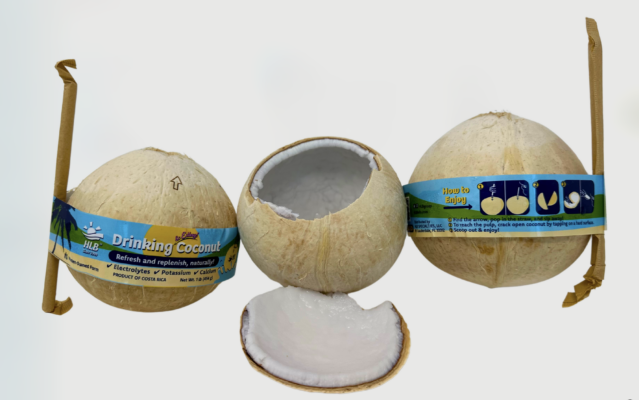
One of the company’s standout success stories remains its drinking coconut program, which has expanded significantly since its launch.
“We continue to see strong success with our drinking coconut programs,” said Melissa Hartmann de Barros, director of communications for the Fort Lauderdale, FL-based company. “HLB now supplies multiple retailers across the country, and we are beginning to expand internationally as well.”
Since introducing the item in 2024, demand has steadily increased, with expectations for another seasonal lift ahead.
“The category has shown solid growth, and we are looking forward to the summer season, when demand typically increases,” Hartmann de Barros said.
Packaging innovation and sustainability focus
Alongside category growth, HLB is investing in packaging improvements across its product line, balancing functionality with sustainability and consumer engagement.
“We are enhancing packaging to improve stability, reduce plastic usage and elevate consumer appeal through clearer, more educational messaging,” Hartmann de Barros said, adding that the updates reflect a broader effort to align with retailer expectations while improving the end-consumer experience.
Mexico operations remain steady
Earlier concerns surrounding unrest in Mexico created temporary disruptions, but conditions stabilized quickly, according to Hartmann de Barros.
“Although the situation triggered a strong reaction that spread across much of Mexico, it was relatively short-lived,” she said. “Within a few days, conditions largely returned to normal. We remain attentive to any future developments, but at this time, the situation is calm.”
Market pressures shape outlook
From a broader business perspective, HLB is navigating a complex global environment influenced by geopolitical and economic pressures.
“Inflation has resurfaced amid the ongoing war in the Middle East, and its effects are likely to persist the longer the conflict continues,” Hartmann de Barros said.
Rising costs are being felt across the supply chain, particularly in logistics.
“We are also seeing fuel surcharges applied across the supply chain, adding further pressure on prices, margins and overall profitability for our growers,” she said.
Despite these challenges, the company continues to focus on maintaining supply continuity and supporting its grower partners.
Viva Fresh provides key platform
HLB will once again participate in the Viva Fresh Expo, using the event to highlight both its expanding Mexican program and its broader global sourcing capabilities.
“We have steadily increased our supply from Mexico, making it one of our top three sourcing origins, with product now imported year-round,” Hartmann de Barros said.
The event offers a unique opportunity to demonstrate operational capabilities, particularly through its Texas-based distribution network.
“Viva Fresh provides a natural platform to showcase our operations, inviting customers and prospects to see firsthand how we move product from origin through our Texas distribution center,” she said.
In addition to its Mexican supply, the company will spotlight a diverse range of tropical items sourced globally. “Viva Fresh also allows us to highlight the broader portfolio we source from other regions around the world, complementing our Texas imports,” Hartmann de Barros said.
Timing plays a critical role in maximizing the show’s impact.
“The timing of the show is especially important, as several of our key items come into season in the weeks that follow,” she said. “This creates an ideal window to close deals and introduce new opportunities to customers and prospects.”
Among those seasonal highlights are tropical specialties such as rambutan, lychee and mangosteen, which continue to gain traction with retailers and consumers alike, according to Hartmann de Barros.
Source: The Produce News